Transforming Website Visitors into Loyal Clients: The Power of Professional Limo Website Design
Introduction
In the competitive landscape of chauffeured transportation, your website is more than a digital brochure—it’s a critical conversion engine that can transform casual visitors into loyal, repeat clients. With over 60% of local service bookings now initiated via mobile devices (source: Google industry data), a poorly designed or outdated website can cost you business to competitors who prioritize user experience. Professional limo website design combines aesthetics, functionality, and technology to create a seamless journey from first click to confirmed booking. This article explores five key elements of effective limo website design, backed by actionable strategies and industry insights, to help you grow your client base and foster long-term loyalty.
1. Automated Quotes for Instant Gratification
When a potential client visits your website—whether for a wedding, airport transfer, or corporate event—they want answers fast. An automated quote system delivers an instant price estimate based on variables like distance, vehicle type, and service add-ons (e.g., meet-and-greet or champagne service). This eliminates the frustration of waiting for a manual response, which can lead to a 30% drop-off in booking intent (source: industry conversion studies). By providing immediate pricing transparency, you not only meet customer expectations but also position your service as efficient and professional.
Implementation Tips:
Integrate a dynamic quote widget that adjusts prices in real time as users select options (e.g., sedan vs. stretch limo).
Display a clear breakdown of costs, including base fare, taxes, and optional extras, to build trust.
Include a “Book Now” button next to the quote for a seamless transition to reservation.
Example: A Boston-based limo operator reported a 25% increase in conversions after adding an instant quote tool that allowed clients to see pricing for airport transfers to Logan International Airport within seconds.
2. GPS Tracking for Peace of Mind
Airport transfers and time-sensitive bookings demand reliability, especially for clients unfamiliar with their destination. Embedding GPS tracking into your website allows passengers to monitor their driver’s location in real time, reducing anxiety and reinforcing trust. This feature is particularly valuable for corporate travelers or those on tight schedules, as it ensures they’ll reach their destination punctually. According to a survey by Ground Transportation Insights, 78% of passengers value real-time tracking as a top factor in choosing a premium limo service.
Implementation Tips:
Use a secure, user-friendly interface to display a live map showing the driver’s progress.
Send passengers a unique tracking link via email or SMS upon booking confirmation.
Ensure the tracking system integrates with your dispatch software to avoid discrepancies.
Example: A Miami limo company integrated GPS tracking into their website, resulting in a 15% increase in repeat bookings from corporate clients who valued the transparency for airport pickups.
3. Texted Reservations for Convenience
Modern consumers expect booking processes to be as effortless as ordering a coffee. Offering texted reservations directly through your website caters to clients who prefer quick, mobile-friendly interactions. By allowing bookings via SMS or platforms like WhatsApp, you enable clients to reserve rides on the go, bypassing phone calls or lengthy forms. This is particularly effective for younger demographics and busy professionals, with 65% of consumers preferring text-based communication for service bookings (source: Twilio research).
Implementation Tips:
Add a “Text to Book” button on your website that prompts users to send a pre-formatted booking request via SMS.
Use automated responses to confirm receipt and provide a link to complete the booking or view details.
Train your team to respond to text inquiries within 5 minutes to maintain momentum.
Example: A Los Angeles operator saw a 20% uptick in bookings after enabling text reservations, particularly for last-minute event transfers.
4. Mobile-Optimized Design for Seamless Access
With mobile searches dominating the transportation industry, a website that isn’t optimized for smartphones is a missed opportunity. A mobile-optimized design ensures your site is responsive, fast-loading, and easy to navigate on any device. This is critical, as Google reports that 53% of mobile users abandon websites that take longer than 3 seconds to load. A sleek, mobile-friendly site not only improves user experience but also boosts your SEO rankings, making it easier for clients to find you.
Implementation Tips:
Use a responsive design framework like Bootstrap to ensure compatibility across devices.
Prioritize fast load times by optimizing images and minimizing heavy scripts.
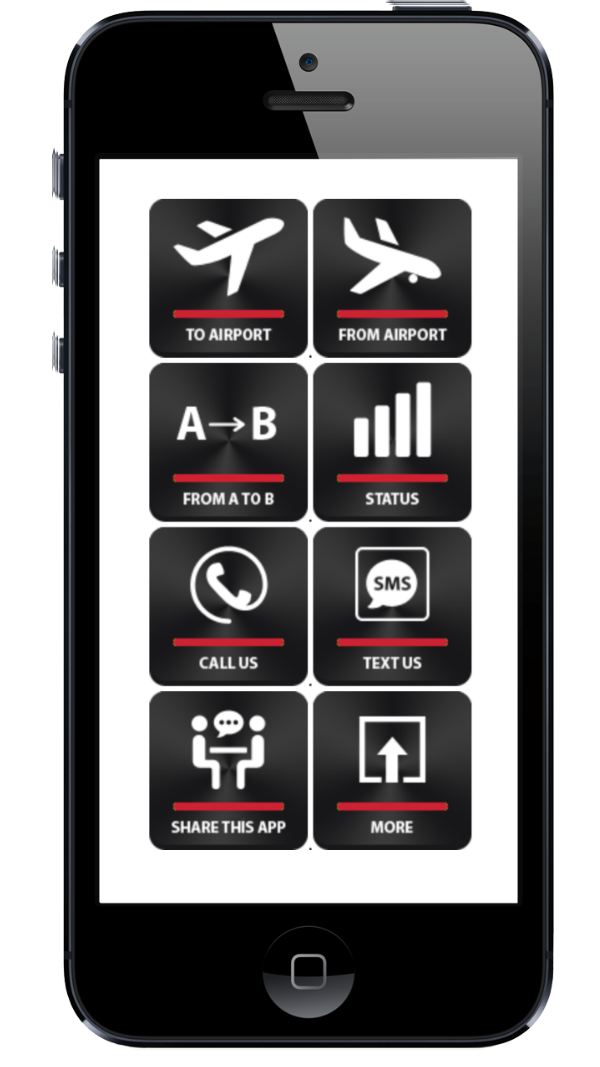
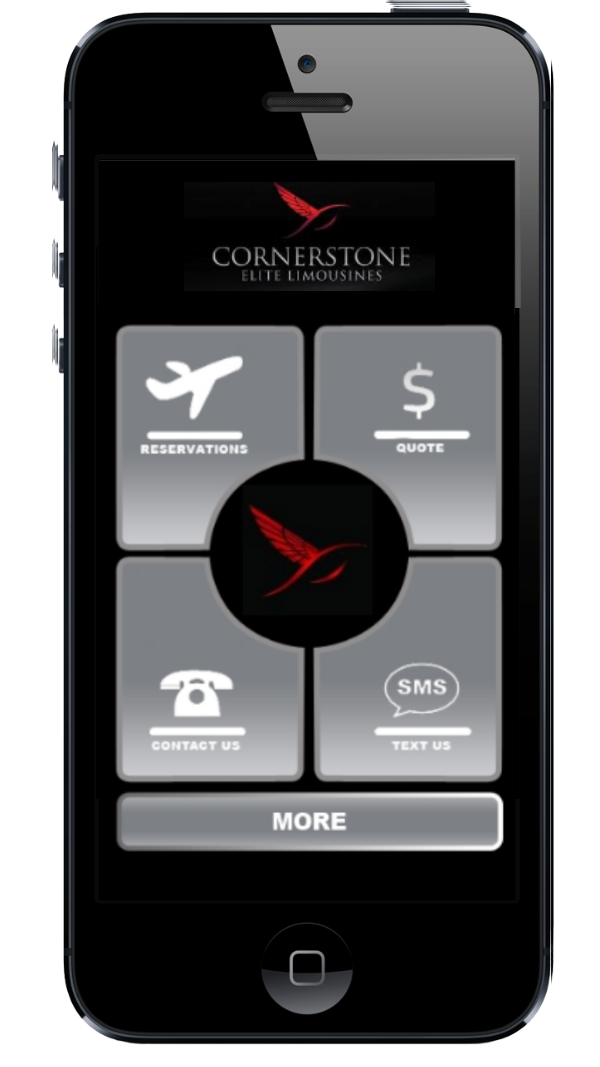
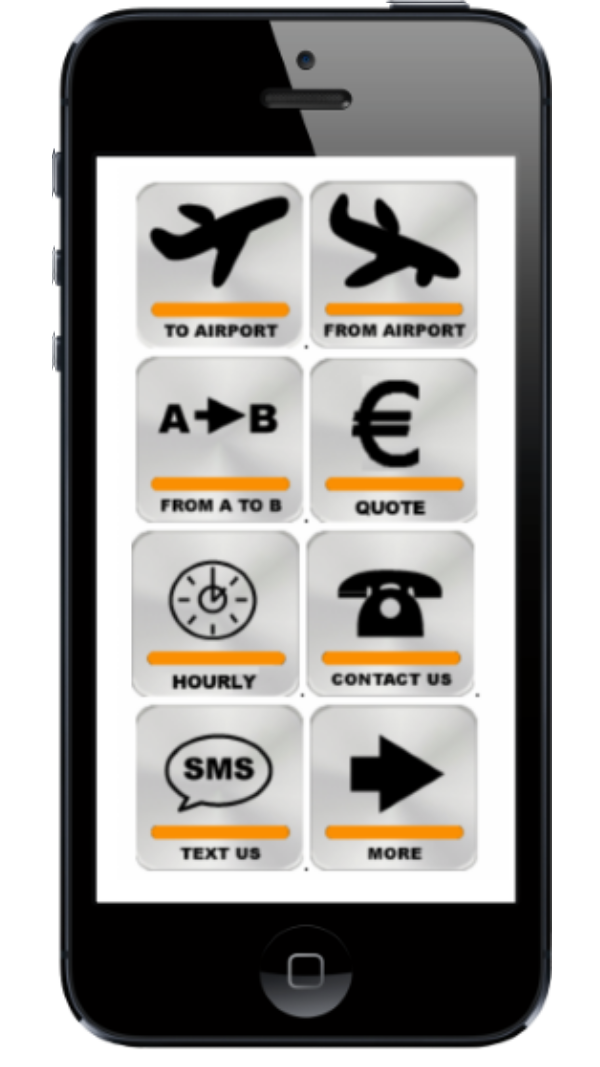
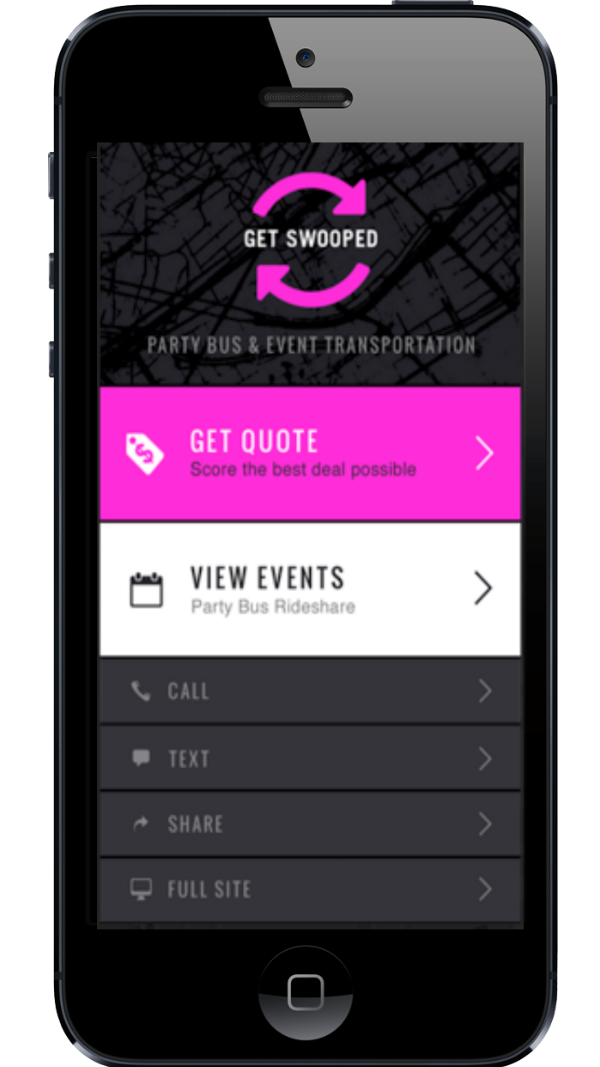
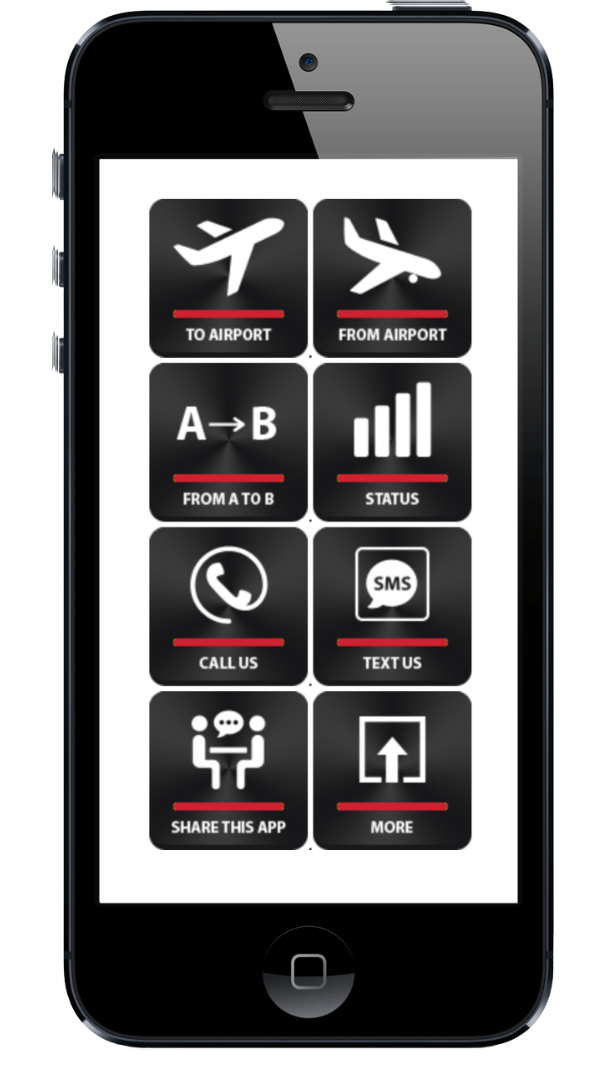
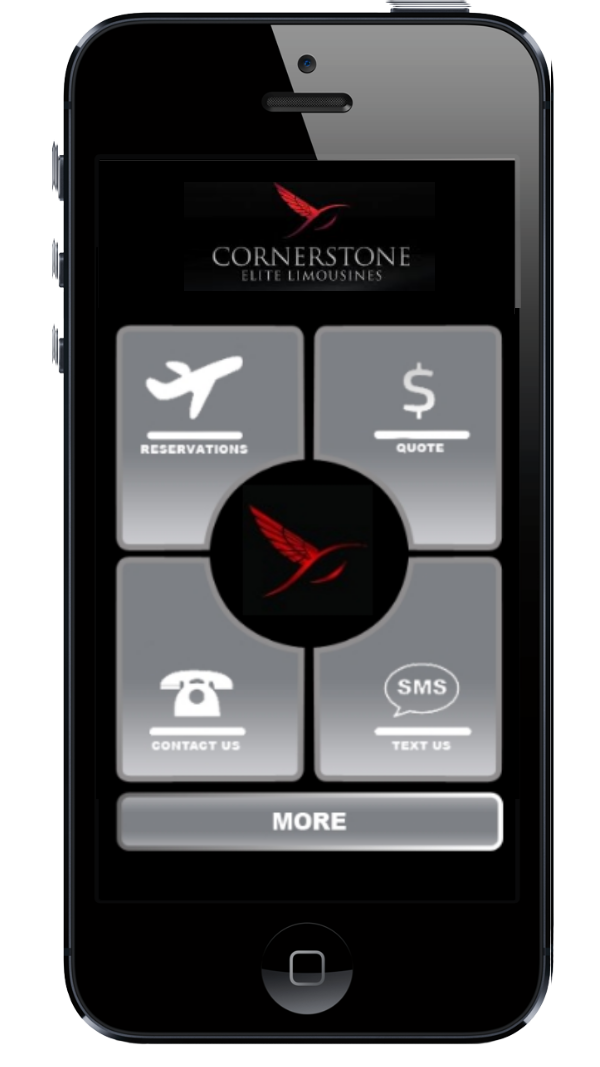
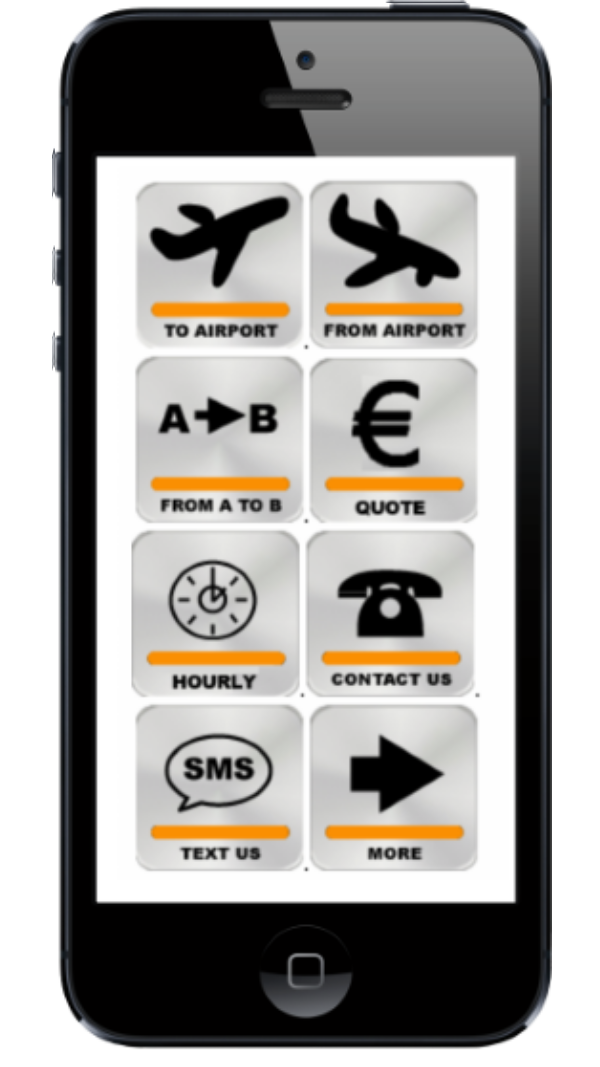
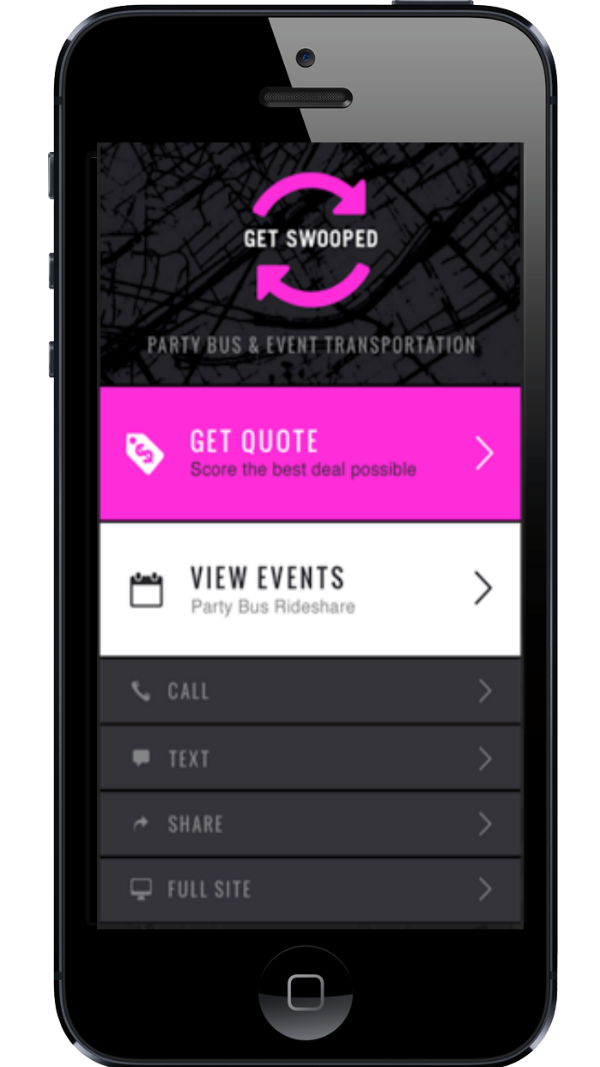
Include prominent call-to-action buttons (e.g., “Get Quote” or “Book Now”) that are thumb-friendly for mobile users.
Example: A Chicago limo service revamped their site with a mobile-first design, leading to a 35% increase in organic traffic and a 10% boost in mobile bookings within three months.
5. Client Testimonials and Trust Signals
Trust is a deciding factor in the limo industry, where clients seek reliability and professionalism. Featuring authentic client testimonials, certifications, and trust signals (like secure payment badges or affiliations with industry bodies) on your website builds credibility. According to BrightLocal, 79% of consumers trust online reviews as much as personal recommendations, making testimonials a powerful tool for converting visitors into clients.
Implementation Tips:
Showcase 3–5 concise, specific testimonials from clients highlighting your punctuality, professionalism, or luxury vehicles.
Embed a live review feed from platforms like Google Business Profile or Yelp to show real-time feedback.
Display trust badges, such as “BBB Accredited” or “Secure Payments by Stripe,” near booking forms.
Example: A New York limo operator added a testimonial carousel to their homepage, resulting in a 12% increase in booking inquiries from first-time visitors.
Measuring Success and Continuous Improvement
A great website isn’t a set-it-and-forget-it asset—it requires ongoing optimization. Use analytics tools like Google Analytics to track key metrics, such as:
Conversion rate (visitors to bookings)
Bounce rate on booking pages
Time spent on quote and reservation pages
Sources of traffic (organic, paid, or referral)
Regularly A/B test elements like button colors, form lengths, or quote placement to identify what drives the most bookings. For example, a San Francisco operator found that changing their “Book Now” button from blue to green increased clicks by 8%.
Conclusion
A professionally designed limo website is a cornerstone of modern client acquisition and retention. By integrating automated quotes, GPS tracking, texted reservations, mobile optimization, and trust signals, you create a seamless, trustworthy, and convenient experience that turns one-time visitors into loyal clients. In a market where competitors like Uber set high expectations for digital convenience, a well-crafted website levels the playing field while showcasing your premium service. Invest in professional limo website design today, and watch your bookings—and customer loyalty—soar.
Need a free website and free hosting?
As part of your subscription you will get a free website, free hosting, free logo design and a mobile app. After you subscribe you can add automated quotes, vehicle tracking, credit card processing and many other great features.
SIGN UP FOR A FREE TRIAL TODAY!